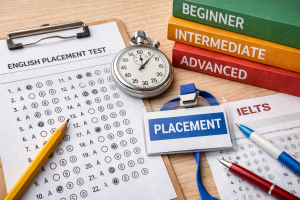
A language proficiency test measures how well someone can actually use a language in real situations. This guide explains what a language proficiency test is, why it matters, how proficiency testing works, and how learners, institutions, and employers use results to make decisions. If you want clarity before taking a proficiency exam, this article is worth your time.
Key Takeaways: What to Remember
- Language test reflects real-world ability to use a language, not memorization
- Proficiency testing focuses on outcomes, not classroom instruction
- A language proficiency test assesses speaking, writing, reading, and listening skills together
- Proficiency levels help explain what a learner can actually do with a language
- Universities, employers, and government agencies use test scores
- Different proficiency exams exist for different languages and purposes
- Retaking a proficiency exam is common and often improves results
What Is Language Proficiency and Why Does It Matter?
Language proficiency refers to a person’s ability to use a language effectively in real-world situations. It goes beyond memorizing grammar rules or vocabulary lists. Instead, language proficiency reflects how well someone can communicate ideas, understand others, and function in spoken and written contexts.
In today’s global world, language fluency matters more than ever. Students use language ability to qualify for study abroad programs. Professionals rely on proficiency testing to prove readiness for work or study. Governments, academic institutions, and employers all depend on language tests to make fair decisions.
Strong language ability also builds confidence. When learners understand their proficiency level, they can set realistic goals and choose the right course or certification path. This clarity is one of the biggest reasons proficiency testing exists.
What Is a Language Proficiency Test?
A language proficiency test is a standardized assessment designed to evaluate how well someone can use a language. Unlike school exams, a language test assesses real communication skills, not just what was taught in a class.
Each language ability test assesses the ability to use a language in practical contexts. This may include speaking with an examiner, understanding authentic texts, or responding to real-life prompts. The goal is to assess a person’s ability, not their test-taking tricks.
A language skill exam is often used for certification, eligibility, or qualification. Many universities, employers, and government agencies rely on a recognized proficiency exam to determine whether a learner meets required standards for work or study.
How Is Proficiency Testing Different From Classroom Exams?
Proficiency testing focuses on outcomes, not instruction, which clearly explains the difference between language proficiency exams and placement tests.
Classroom exams usually measure what students learned in a specific course. In contrast, proficiency testing evaluates overall language ability, regardless of how or where the language was learned.
Proficiency Testing vs Classroom Exams
| Aspect | Proficiency Testing | Classroom Exams |
| Main focus | Measures real language proficiency and practical language use | Measures what was taught in a specific course |
| What it evaluates | Overall ability to use a language in real situations | Knowledge of lessons, textbooks, and assignments |
| Learning background | Independent of how or where the language was learned | Directly tied to classroom instruction |
| Skill coverage | Speaking, writing, reading, and listening together | Often limited to reading, grammar, and writing |
| Use cases | Certification, eligibility, work or study decisions | Grades, promotions, or course completion |
| Consistency | Standardized across locations and test dates | Varies by school, teacher, or institution |
Why This Difference Matters
A learner may be fluent in a second language without formal education. A classroom exam might fail to capture that ability, while a language ability test is designed to assess real-world language performance.
Because proficiency testing is standardized, institutions can compare test scores fairly across countries, schools, and educational systems. This makes language skill testing especially valuable outside high schools and traditional classrooms.
What Are Proficiency Levels and How Are They Defined?
A proficiency level describes how well a learner can use a language at a specific stage. These levels help interpret results from a language ability test and make them meaningful for real decisions.
Many institutions rely on standardized frameworks like CEFR, especially when mapping English placement tests and CEFR levels (A1–C2) for accurate course placement.
A language proficiency rating makes results easier to understand across systems.
Proficiency levels also guide learning paths. When learners know their proficiency level, they can choose the right materials, courses, or testing program to move forward efficiently.
How Do You Test Language Proficiency Accurately?
To test language proficiency accurately, assessments must reflect real communication. That means tasks should mirror how language is used in daily, academic, or professional contexts.
Modern proficiency testing often combines multiple formats. These may include an oral interview, a writing proficiency test, and tasks focused on reading and listening. Some exams use a machine-scored listening proficiency test, while others rely on trained examiners.
As digital assessments become more common, many learners now ask can language proficiency exams be conducted online without affecting reliability?
A well-designed test is designed to assess consistently. Test developers carefully administer tasks, train examiners, and evaluate results to ensure fairness. This structured assessment process helps determine true language ability, not guesswork.
What Skills Does a Language Proficiency Exam Assess?
A language test evaluates how well someone can actually use a language, not just what they know about it. These skills are usually assessed together to reflect real communication.
Core Language Skills Assessed
- Listening proficiency: Measures how well a learner understands spoken language in conversations, lectures, and everyday situations. This includes listening and reading skills when audio is paired with text.
- Reading proficiency: Assesses comprehension of authentic written materials such as articles, instructions, and academic texts.
- Speaking proficiency: Evaluates conversational ability, interpersonal communication, and presentational speaking. Many exams use interviews or recorded responses to assess fluency and clarity.
- Writing proficiency: Tests clarity, organization, grammar, and the ability to express ideas in written form for academic or professional purposes.
Additional Focus Areas
Some language tests also assess:
- Language skills needed for academic institutions
- Professional or workplace communication
- Real-world task completion rather than isolated grammar knowledge
Overall, the assessment evaluates how effectively a learner can function in spoken and written language contexts.
Who Needs Proficiency Testing and Why?
Proficiency testing serves many groups. Learners use it to prove readiness for study abroad, bilingual programs, or advanced courses. Non-native speakers often need proficiency testing for work or study in another country.
Employers use language fluency results to ensure effective communication in the workplace. A corporation may require certification to endorse a candidate’s language competency. Government agencies may rely on testing needed by the military or public service roles in the U.S.
Academic institutions also depend on proficiency testing. Many universities require a test of English or another world language to certify readiness for instruction.
What Are Popular Proficiency Testing Systems and Exams?
There are many proficiency testing systems worldwide, each designed for different languages and purposes. Below is a structured breakdown for easy scanning.
Common Language Proficiency Exams
Test of English as a Foreign Language (TOEFL)
Widely used by universities and academic institutions worldwide. TOEFL focuses on English as a foreign language and measures readiness for academic study or professional use, especially in North America.
International English Language Testing System (IELTS)
One of the most globally accepted English exams. IELTS evaluates real-world English use across listening, reading, writing, and speaking, and is commonly required for university admission, immigration, and professional qualification.
Cambridge English Qualifications (B2 First / FCE, C1 Advanced / CAE, C2 Proficiency / CPE)
Internationally recognized English exams that certify proficiency levels from B1 to C2. Unlike IELTS and TOEFL, Cambridge certificates do not expire, though institutions may apply their own recency requirements.
Duolingo English Test (DET)
The test is fully online, can be taken from home, uses adaptive questioning, and is widely accepted by universities worldwide as an alternative to IELTS or TOEFL, subject to institutional requirements.
ACTFL Proficiency Test
Used to measure overall language ability across speaking, writing, reading, and listening. ACTFL assessments are widely used in education, professional certification, and language programs, particularly in the United States.
ACTFL Oral Proficiency Interview (OPI)
A structured speaking assessment that evaluates real conversational ability through guided interaction with a trained examiner. It is commonly used for certification and professional language evaluation.
Defense Language Proficiency Test (DLPT)
Used by government agencies and the military to assess operational language competency for professional and service-related roles.
Japanese Language Proficiency Test (JLPT)
It measures Japanese language ability across multiple levels. It is commonly used for study, employment, and certification purposes in Japan and worldwide.
Spanish Proficiency Exams
Used in education, professional qualification, and bilingual certification programs across different regions, depending on institutional or national standards.
Each testing program serves a specific audience, but all aim to assess real language ability rather than classroom achievement.
How Are Scores Calculated and Used?
A score represents performance on a language ability test. Test providers may report scores as scaled numbers, proficiency levels, or descriptive bands. Each score helps institutions determine eligibility or qualification.
Scores often align with frameworks like CEFR or internal language proficiency ratings. This allows users to compare results across exams. Some organizations certify or certify candidates based on minimum score requirements.
Understanding score usage is critical. A single score can impact admission decisions, employer hiring, or course placement, making accuracy and transparency essential.
Can You Retake a Language Proficiency Test and Improve Results?
Yes, most proficiency exams allow a retake. Learners often retake a language skill test to improve results after targeted practice or additional study.
Preparation should focus on real language use, not memorization. Improving fluency, comprehension, and accuracy in spoken and written tasks leads to better outcomes. Feedback from previous assessments can help learners evaluate weak areas.
A retake is not a failure. It is part of the learning process and helps learners better demonstrate their true linguistic ability.
Final Summary: What to Remember
Language testing exists to answer one essential question:
How well can a person actually use a language?
Unlike traditional exams, a language test evaluates communication skills that matter in real life.
Whether for academic institutions, employers, government agencies, or personal growth, proficiency testing provides a fair and standardized way to assess language abilities. It removes bias tied to classroom background and focuses instead on practical performance.
Understanding how proficiency testing works helps learners choose the right exam, prepare effectively, and interpret results with confidence. For decision-makers, it offers a reliable way to evaluate language competency for work, study, or certification.