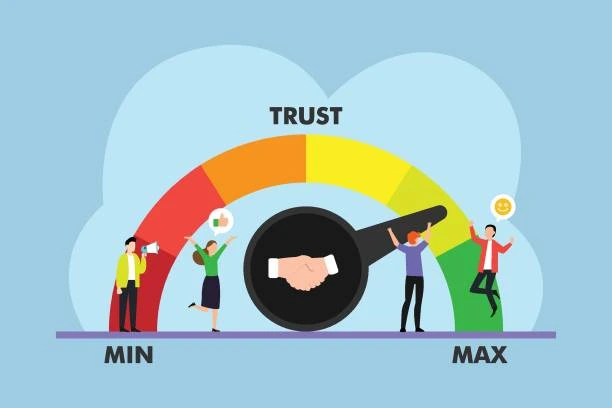
Personality quizzes help build self-awareness by revealing consistent behavioral patterns and how you respond in different situations. With carefully designed questions, these tests encourage genuine self-reflection and highlight tendencies you may not have consciously noticed.
By offering clear, neutral descriptions, these quizzes make it easier to understand aspects of yourself that are often difficult to express, supporting deeper personal insight and growth.
Key Takeaways
- Structured self-reflection: Personality quizzes use targeted questions that encourage individuals to reflect deliberately on their emotions, preferences, and behaviors.
- Behavioral pattern recognition: These tests help uncover recurring habits by analyzing responses across multiple scenarios, enabling a more accurate understanding of one’s tendencies.
- Clear, neutral language: Personal assessment quizzes translate abstract feelings and tendencies into understandable descriptions.
- Enhanced emotional awareness: They reveal emotional responses and stress reactions, helping individuals better understand their emotional triggers.
Psychological Perspective of Self-Awareness
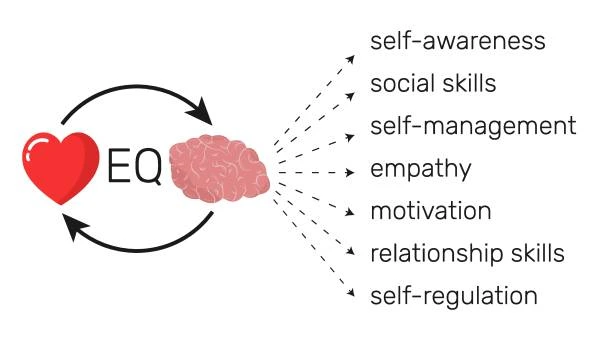
Self-awareness, or self-understanding, is the ability to recognize and understand yourself, including your thoughts, motivations, emotions, and actions. It is closely linked to emotional intelligence.
According to organizational psychology, many studies have shown that people with high self-awareness are better communicators, manage stress effectively, and make balanced decisions. This is because they are familiar with their own biases and limitations.
Self-awareness is not something people are born with; in fact, it develops over time through self-reflection, feedback, and experience. The personality quizzes provide a structured way to reflect on your feelings.
To understand the phenomenon, the researchers have categorized self-awareness into two types
- Internal self-awareness
- External self-awareness
Internal Self-Awareness
Internal Self-Awareness is when a person has clarity about their inner self. This includes a better understanding of your values, beliefs, emotions, motivations, weaknesses, and thought patterns.
People with internal self-awareness have an eye on what, how, and why they are feeling in a certain way. This also helps them to identify personal limits and capabilities.
External Self-Awareness
External Self-Awareness is how people perceive you, including your behavior, communication, tone, and actions. A person with strong external self-awareness understands how they behave in social, professional, and leadership settings. This also helps them understand their direct communication style, which could be motivating or intimidating.
Understanding How Personality Quizzes Can Help in Self-Discovery
Personality quizzes measure patterns and build self-awareness by turning abstract traits into something people can recognize with clarity. Some quizzes are deeply rooted in psychological models, such as
- Trait-based frameworks like the Big Five Personality Traits
- Temperament or Preference-Based Systems
- Behavior and motivation-focused assessment
Dope Personality Test is one of the great examples that significantly improves your self-discovery, categorizing your personality type as Dove, Owl, Peacock, and Eagle. Each of them offers a distinctive pattern of behavior, helping you understand your tendencies and communication styles and promoting balanced self-awareness.
Others that you find online are lighter, entertainment-driven quizzes that still use common psychological themes, such as introversion, decision-making style, or stress response.
However, the key difference lies in intent and structure. A well-designed personality quiz
- Uses consistent and relevant questions
- Measures patterns rather than isolated answers
- Explains results with context
Even informal quizzes can foster self-awareness when they encourage honest responses and thoughtful interpretation.
Role of Personality Quizzes in Personal Reflection
Self-perception is often vague, which is why these quizzes help people to understand and improve their self-knowledge.
Authentic self quizzes improve self-awareness in personal and professional settings, helping people understand themselves better in different scenarios.
People rarely take the time to think about why they behave in certain ways, and that is where the personality quiz helps. Using generic statements related to your daily life helps you think it through.
For instance, statements like
- How do you usually react under pressure?
- Do you prefer planning or spontaneity?
- How do you handle conflict?
These questions will make you think beyond surface-level identity. Instead of asking them who they want to be, quizzes help them to ask how they will behave in a certain situation.
Without proper guidance, people may begin to rely on external sources for self-awareness. Self-assessment tests help narrow attention to specific behaviors and reactions.
Repeated exposure to these types of questions strengthens introspective thinking and can make individuals more self-aware even outside a quiz environment.
Describing the Personal Behavior and Traits Appropriately
One of the most challenging aspects people struggle with is not a lack of insight, but the difficulty of accurately describing how they behave or feel.
Personality quizzes help bridge this gap by using neutral, widely accepted labels that are often perceived positively. This process is known as cognitive labeling, where individuals assign clear labels to their behaviors and experiences.
For instance, assigning names to the behavioral traits like
- Emotionally sensitive
- Assertiveness
- Risk tolerance
- Analytical thinking
This way, people can easily communicate experiences they previously struggled to define, making it easier to manage and understand.
For example, recognizing a tendency toward people-pleasing or avoidance offers clarity that general unease cannot provide. This awareness helps individuals to communicate more effectively and behave appropriately in different situations.
Personality Tests Assess Behavioral Patterns
Pattern recognition is a critical component of self-awareness because it allows individuals to predict their own reactions and make intentional adjustments when needed.
Self-awareness is more about understanding patterns over time rather than a single movement. Personality assessment tests are designed to identify recurring behaviors, helping you understand patterns through your responses.
The statements to explore patterns could be like
- Always taking responsibility in group settings
- Avoiding confrontation even when stressed
- Thriving in structured environments but struggling with ambiguity
The patterns reflected in quiz results can be revealing or validating, shifting your focus from self-judgment to observation. This way, instead of thinking ‘why am I like this?’ and questioning yourself, you will begin to think of ‘This is a pattern I have’.
Increasing Self-Perspective Regarding Strengths and Weaknesses
Most people have a biased view of themselves, focusing more on their weaknesses, while others overlook areas that need improvement. The personality quizzes often present a more balanced self-picture.
These tests help to understand their strengths, as these quizzes can reveal
- Natural leadership tendencies
- Strong empathy or emotional insight
- High adaptability or resilience
These strengths are often underestimated because they feel normal to those who experience them. On the other hand, they usually highlight weaknesses or blind spots, such as
- Difficulty with long-term planning
- Emotional reactivity
- Resistance to change
As a result, feedback comes from a neutral tool rather than another person, which often feels less threatening. This increases openness to acknowledging limitations, which is essential for personal growth.
External Perspective Without Social Pressure
Taking feedback from others can be valuable, but it can also make people uncomfortable. The fear of judgment, or defensiveness, often distorts how feedback is received.
The personality quizzes offer an external perspective without any pressure. The results feel objective, even when they are based on self-reported answers. This neutrality makes people receptive to insights, increasing the likelihood that they will reflect honestly rather than dismissing the feedback.
Additionally, these quizzes offer a sense of privacy. They allow individuals to explore sensitive aspects of their personality and unique traits without having to communicate with others or explain themselves. This creates a safe space for deeper self-examination, especially for people who are naturally more sensitive.
Supporting Emotional Awareness and Regulation
Emotional awareness is the core element of self-awareness. Many quizzes include a section exploring your emotional reactions, stress response, and coping mechanisms.
People can recognize their emotions by answering the questions
- What situations trigger anxiety or frustration
- Whether they suppress emotions or express them openly
- How they typically respond to pressure or conflict
Understanding emotional patterns helps people recognize potential challenges and prepare a healthy response rather than panic or feel anxious.
For example, someone who realizes they shut down under stress can work on communication strategies before stressful situations arise. Over time, this emotional insight contributes to better mental well-being and interpersonal relationships.
What Makes a Personality Quiz Helpful for Self-Awareness?
Not all personality tests contribute equally to improving self-awareness. The quizzes become more useful and reliable depending on some characteristics.
A helpful personality quiz typically
- Explains results with nuance rather than definitive conclusions
- Acknowledges limitations and variability
- Focuses on behavior patterns instead of labels alone
- Encourages reflection rather than prediction
The more transparency in results, the more they are trusted, and it depends on how they are generated. When people understand that these tests measure tendencies rather than destiny, they will be taken more constructively.
Limitations of Personality Quizzes in Self-Awareness
Personality quizzes can offer opportunities for personal development, but they cannot be 100 percent accurate, as relying too much on them can actually limit your self-awareness instead of helping it grow.
The possible limitations for such quizzes could be
- Oversimplification, where complex human behavior is reduced to neat categories
- Confirmation bias, where people accept results that feel good and ignore other parts of the results which does not match what they already know or believe
- Static thinking, where individuals believe traits are fixed rather than flexible, and try to make them better
Keep in mind that no quiz can fully capture a person’s complexity, because personality is influenced by context, experience, and development. These tools should be considered a helpful starting point, but not the final answer. Reflection, real-life feedback, and experience remain essential components of self-awareness.
FAQs
1. Why do people trust personality test results?
People trust personality test results because they provide insights that feel relevant and emotionally accurate. These quizzes somehow reflect questions that encourage people to think about themselves, their preferences, their habits, and their reactions, rather than being random. When the results and description match what a person already recognizes, it creates a sense of validation, which builds trust.
2. Can personality quizzes really improve self-awareness?
Yes, they help to improve self-awareness; in fact, coaches and therapists use personality quizzes to gain client insight because they reflect patterns of behavior and provide language and labels to describe personal traits.
3. Are online personality quizzes accurate?
The accuracy of personality tests varies widely depending on how they are used. Some quizzes are based on psychological research, while others are designed solely for entertainment and use only simple statements.
4. How often should you take personality quizzes?
Taking quizzes occasionally can be helpful during the period of change. However, repeating the same quiz over and over may reinforce fixed thinking rather than foster personal growth.
5. Do personality traits change over time?
Yes, they can. While some traits are relatively stable, behavior and emotional responses can evolve with experience, environment, and intentional effort.
Conclusion
Personality quizzes are practical tools for identifying your traits, but they are not definitive maps of who you are. These tests serve as structured mirrors, reflecting tendencies, patterns, and emotional habits you might not notice in daily life.
Self-knowledge comes from exploring your inner self, and personality quizzes support that process meaningfully. When interpreted with curiosity rather than rigidity, these tools provide valuable insights rather than limiting labels.